The Zomba Project
Rebuilding Food Security After Cyclone Freddy
Key Metrics
Households
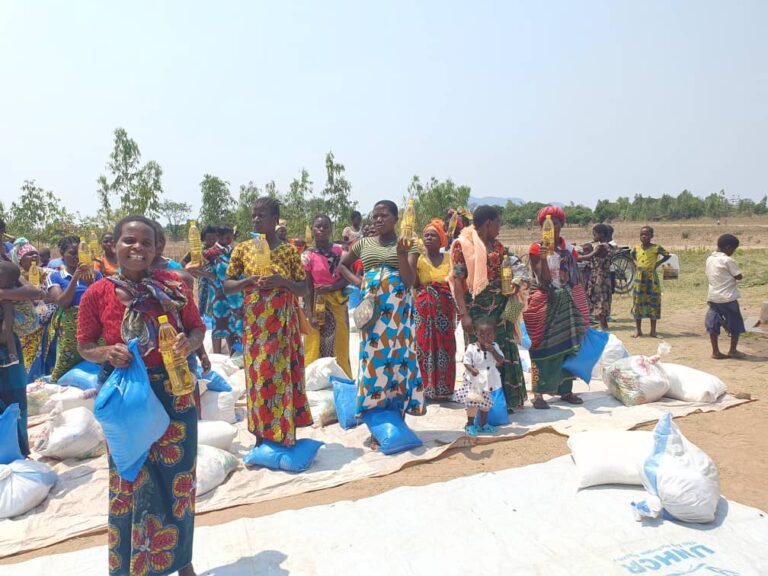
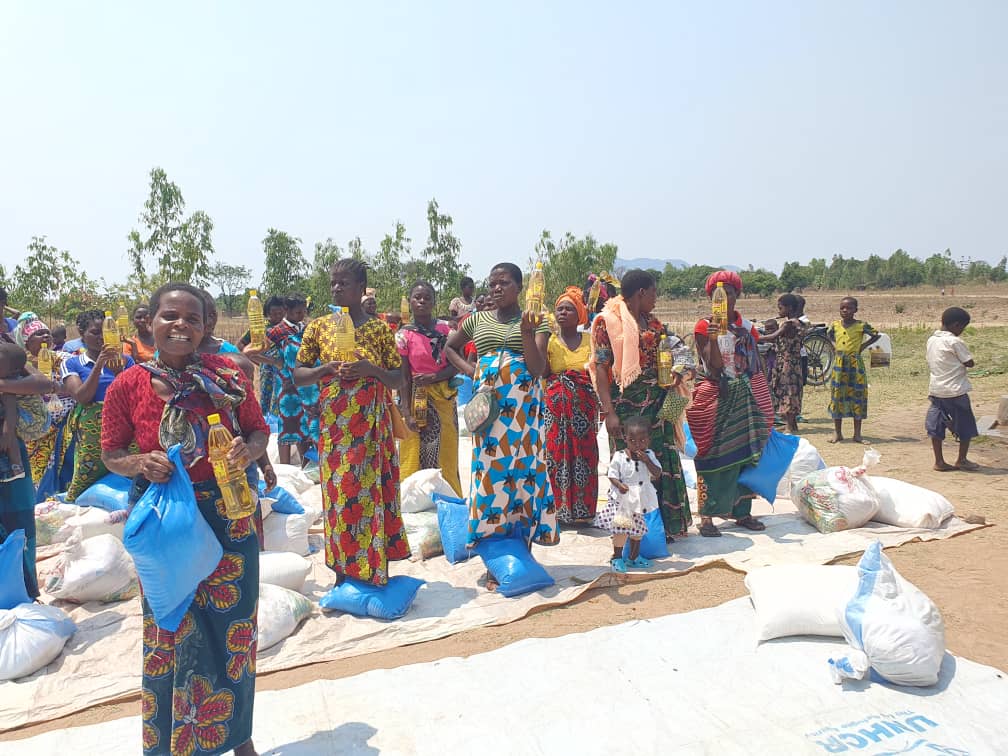
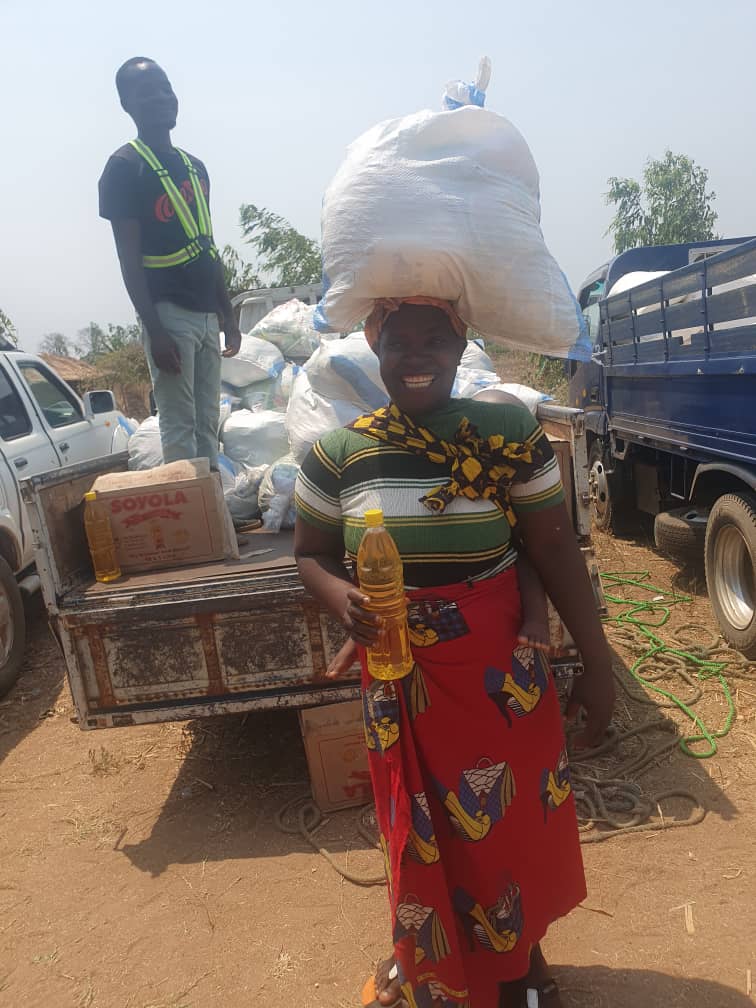
Received emergency food packages and essential supplies
Health Screenings
Medical and nutritional assessments delivered during relief distribution
Lead Farmers
Young agricultural leaders selected to drive the rebuild phase
Additional Farmers
Received seeds, training, and support through the lead farmers
Hectares
Of community land secured
for cooperative agricultural production
In the wake of Cyclone Freddy in Malawi the President Lazarus Chakwera said ““We need immediate help”.
The cyclone’s impact on food security in affected communities was particularly significant as it damaged key staple crops such as rice and maize prior to harvest. This was particularly devastating for smallholders farmers – who constitute 80% of Malawi’s population.
The Zomba Project helped farming communities in southern Malawi move from emergency relief toward agricultural recovery. The response was split into two phases:
Phase 1: Relief which focused on the provision of food to communities acutely affected.
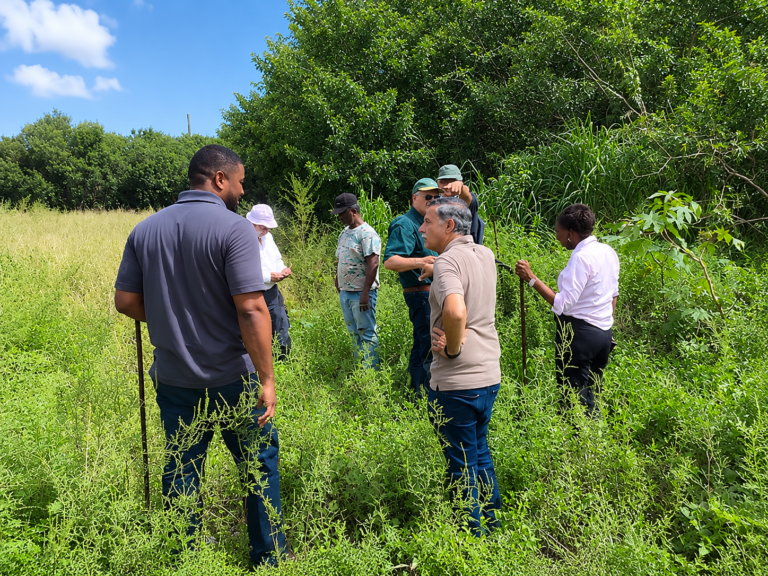
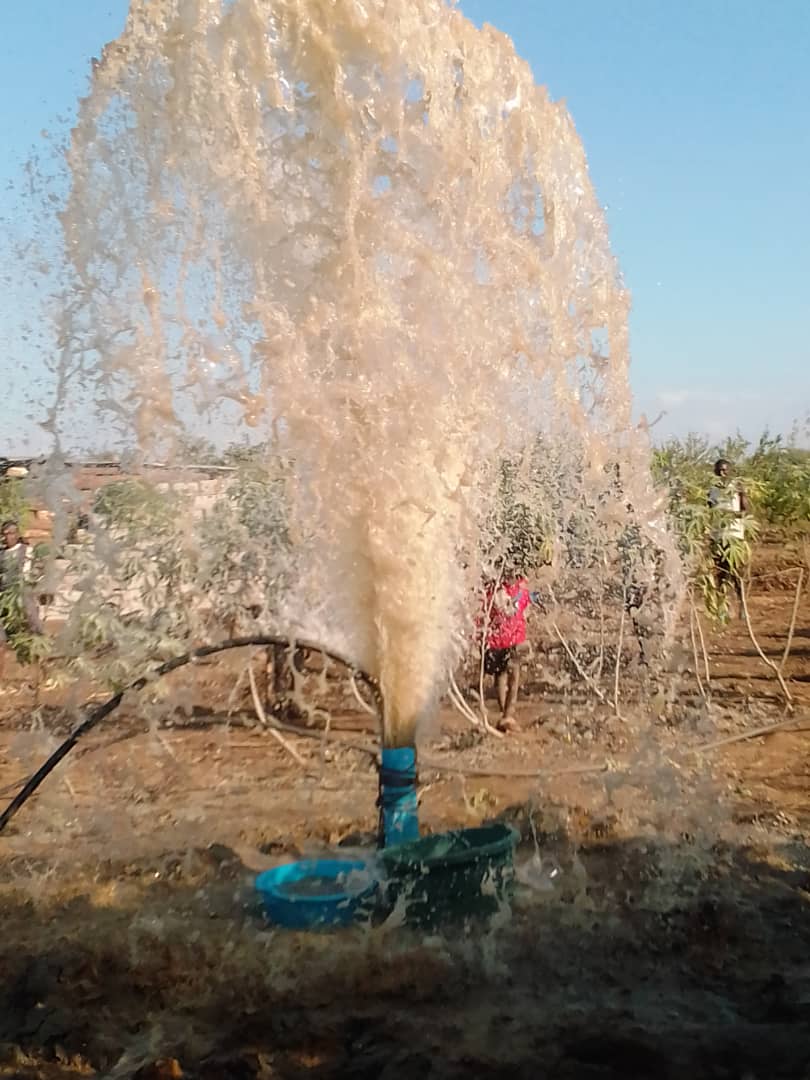
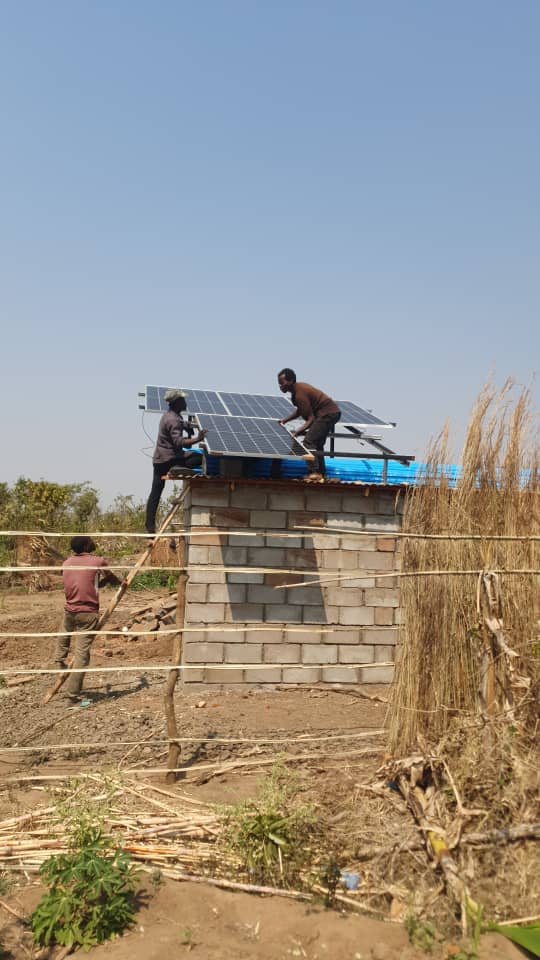
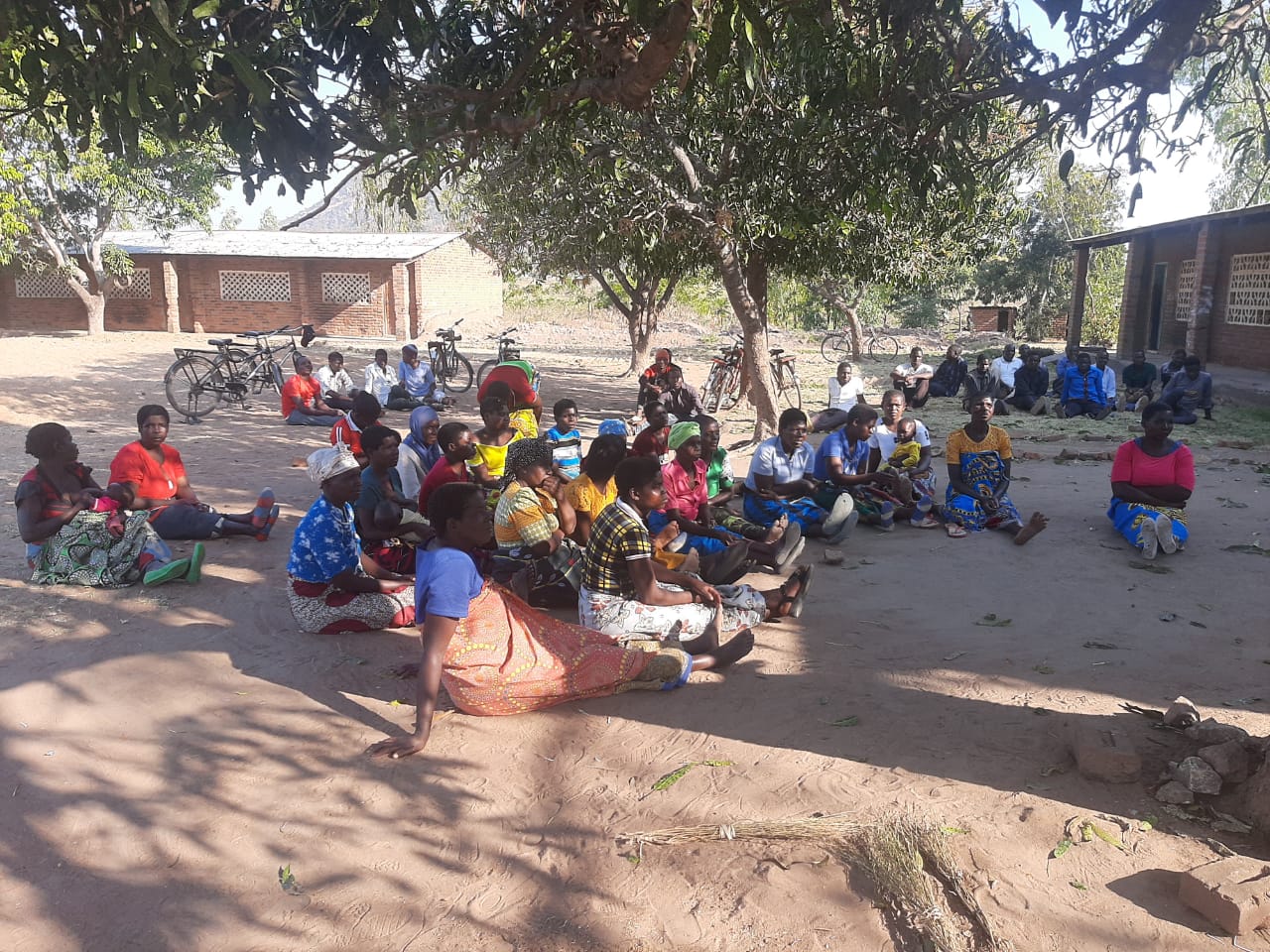
Phase 2: Rebuild which focused on building a thriving agricultural cooperative to benefit young Malawians affected by the cyclone, while empowering young leaders to become drivers of agricultural growth in their communities. It provided training, coaching, access to irrigation equipment and agricultural inputs.
THE MODEL
Project Change Drivers
ReGrow’s model advances projects through connected Field, Innovation, and Policy drivers. The Zomba Project engaged all three.
At the field level, vulnerable households received immediate relief, while young farmers gained the resources, training, and support needed to rebuild agricultural livelihoods.
At the innovation level, the project demonstrated a phased recovery model that combined humanitarian assistance with agricultural development, helping communities transition from short-term aid to long-term food production.
At the policy level, the project showed the value of locally led, partnership-based recovery, demonstrating how governments, community leaders, NGOs, and agricultural organizations can work together to strengthen resilience after climate-related disasters.
ReGrow's
Knowledge
Blend
IMPACT STORIES
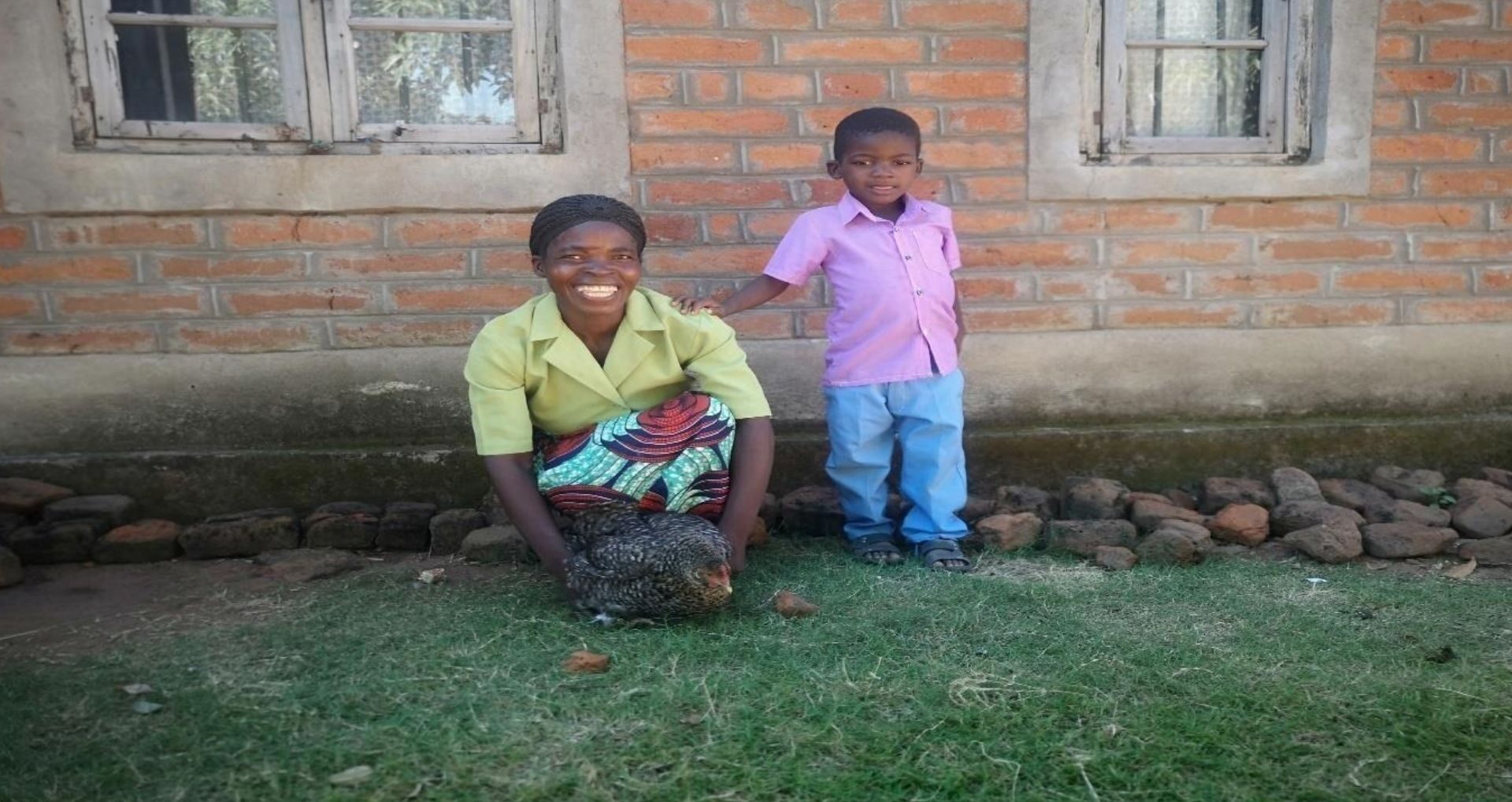
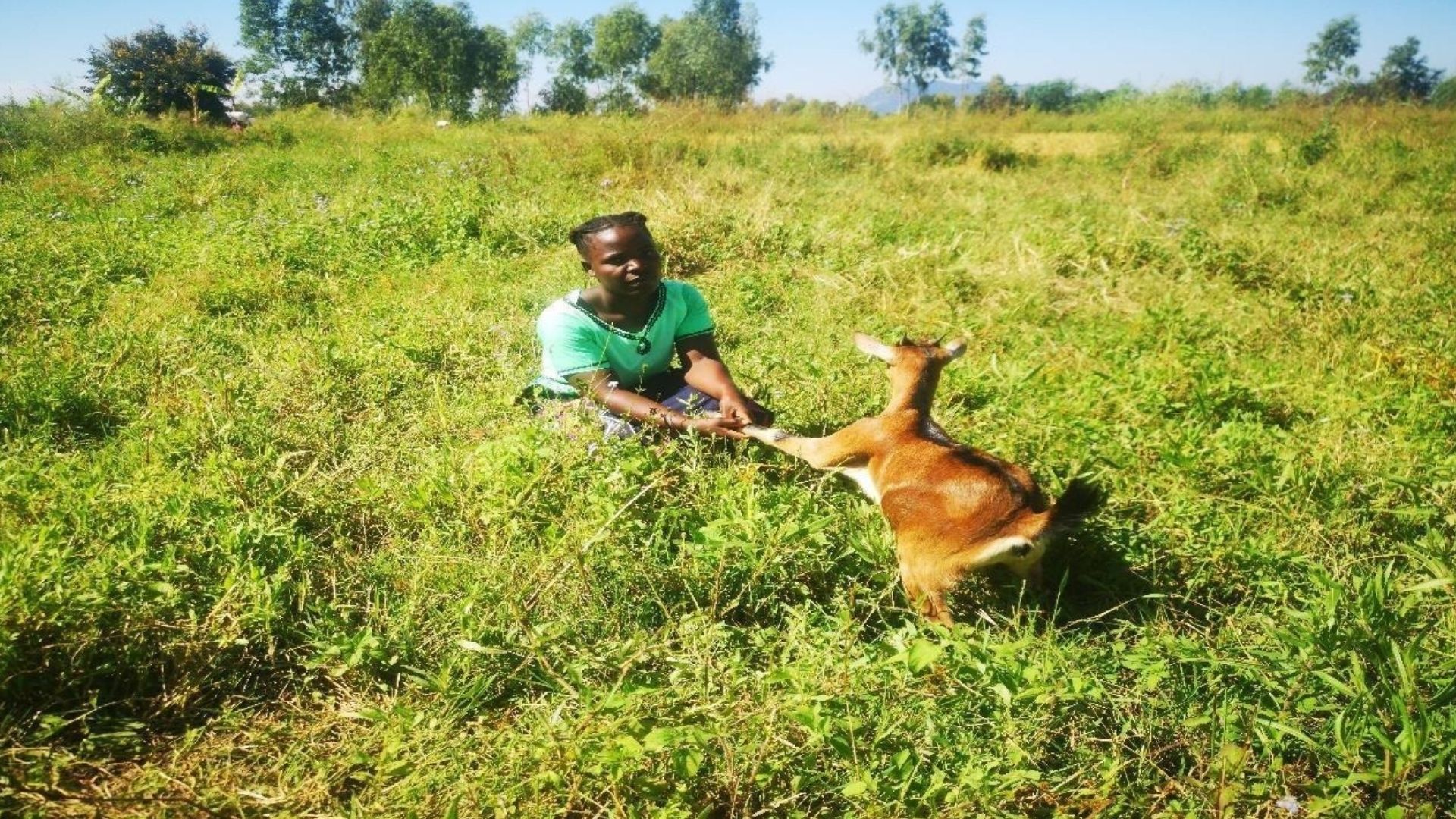
Project Snapshots
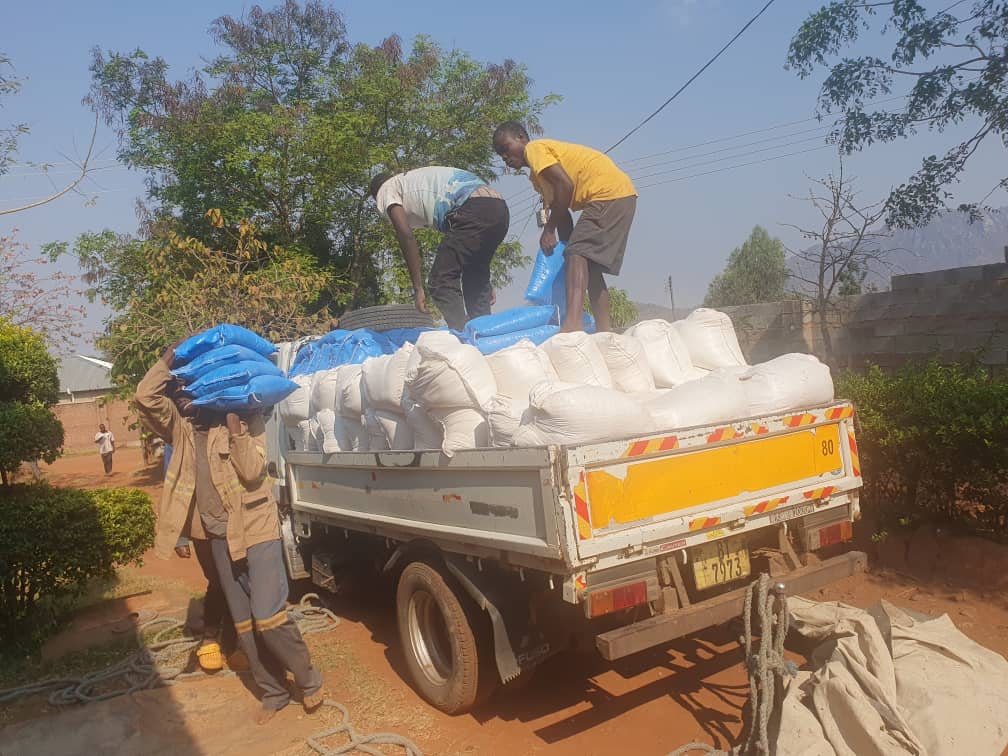
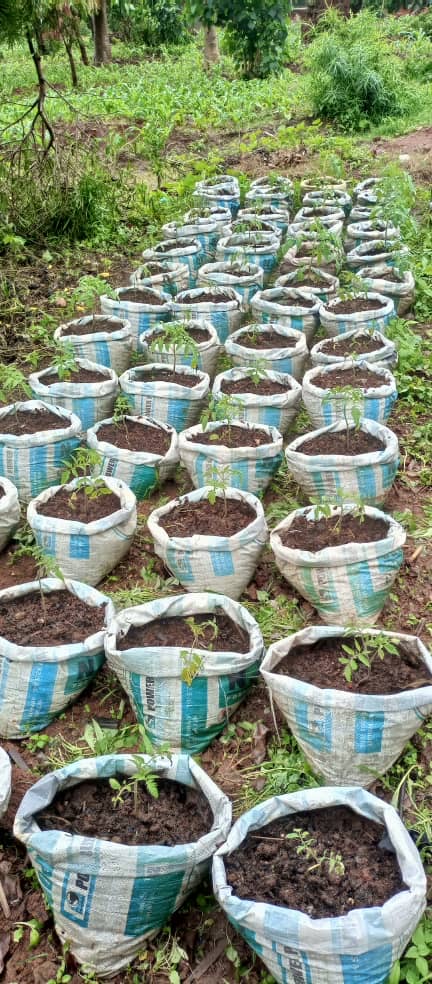

On the Ground
Explore additional ReGrow projects strengthening farmers around the world.