HYDROPONICS FOR REFUGEES
Nutrition Security through Hydroponics
Key Metrics
Plants Per Harvest
Servings Per Harvest
Portions A Year
The COVID-19 pandemic placed a spotlight on the fragility of food systems in even the most developed countries. Countries everywhere were forced to face the inadequacies in existing supply chains that transformed access to basic nutrition and food from a right, into a luxury.
In Israel the pandemic had a devastating impact on the food and nutrition security of asylum seekers and other undocumented people. Following the outbreak of the pandemic, many community members lost their livelihoods, primarily in the restaurant and hotel industries which were forced to close. Acute hunger and access to nutritious foods became a formidable challenge within the community.
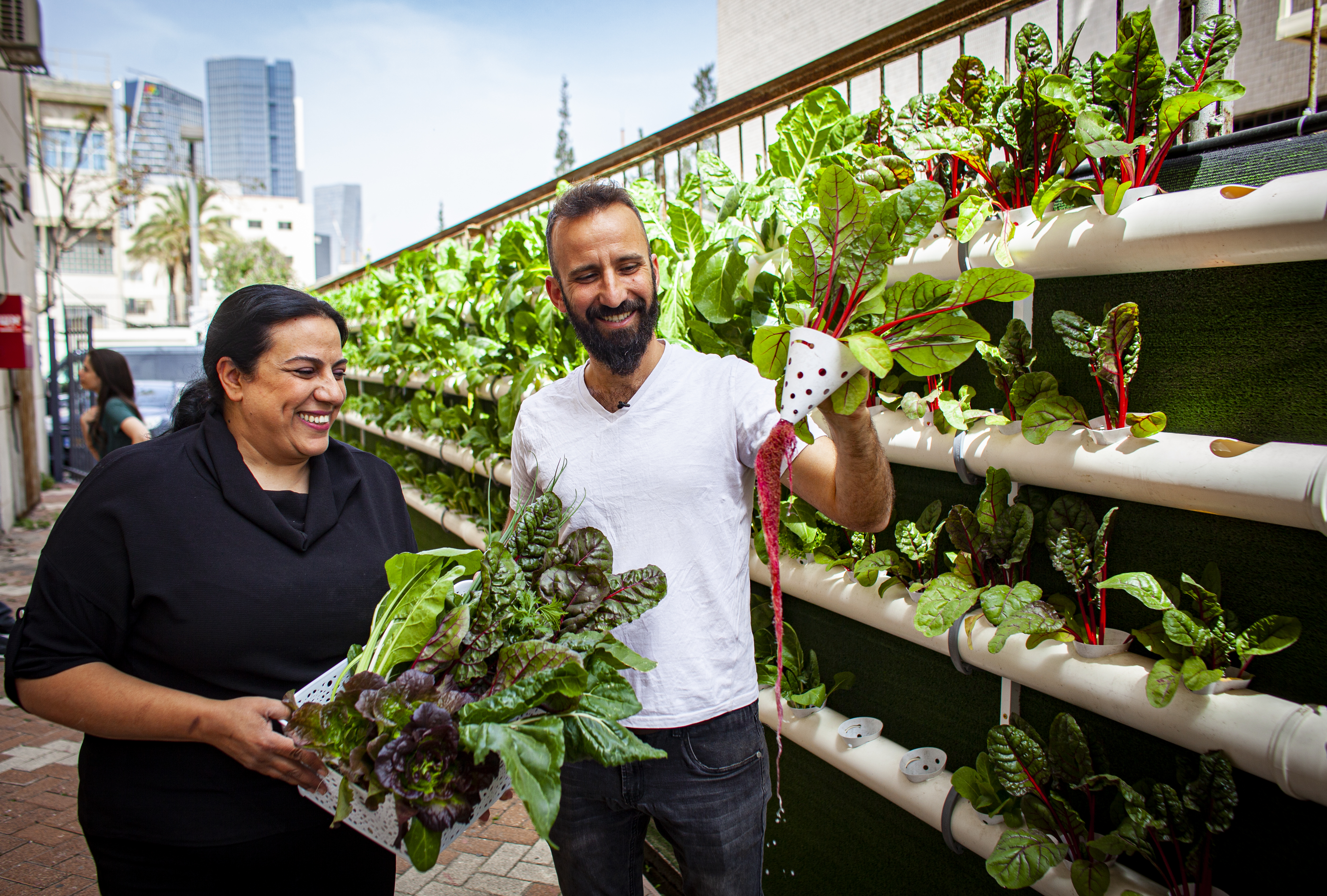
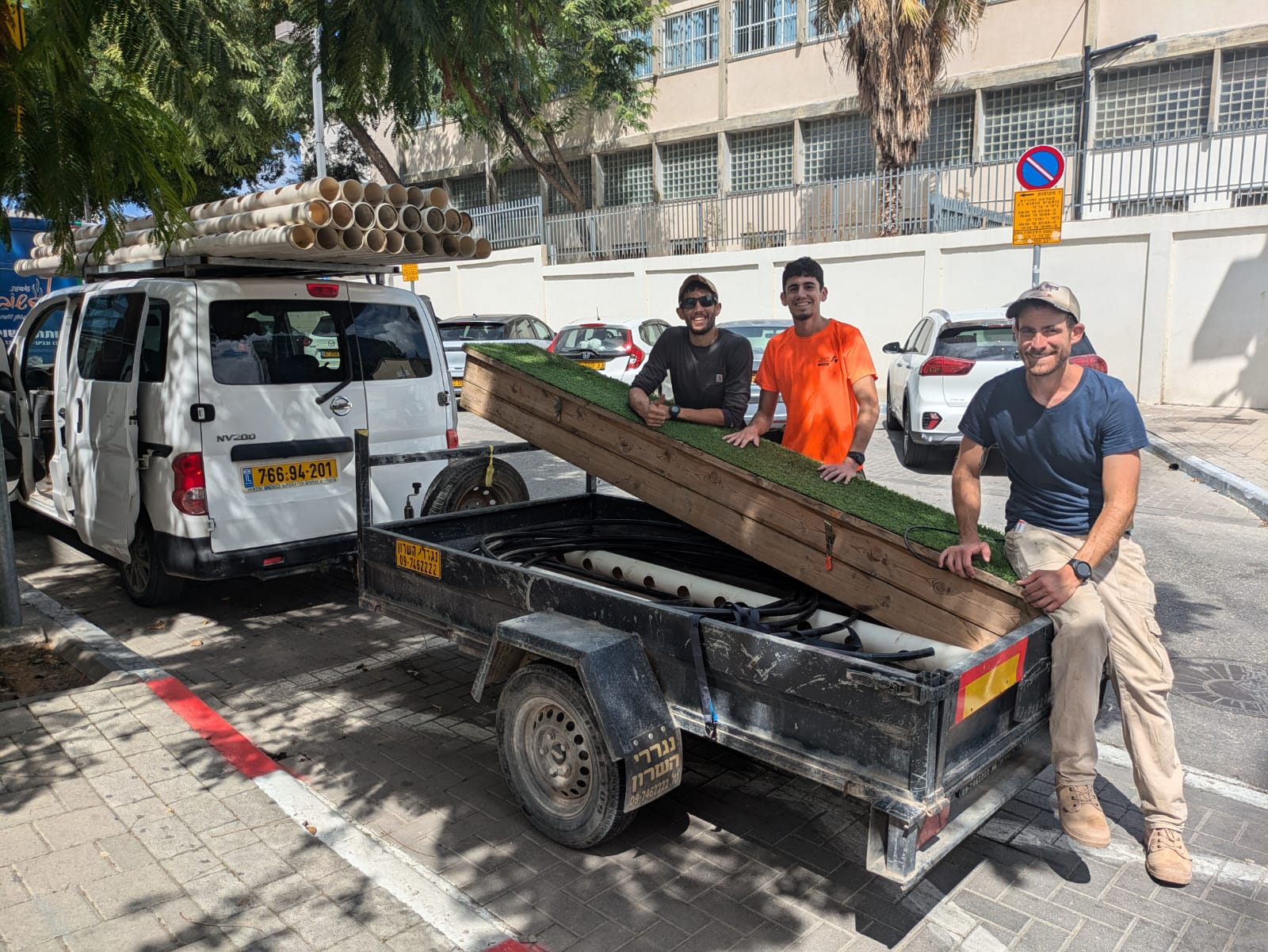
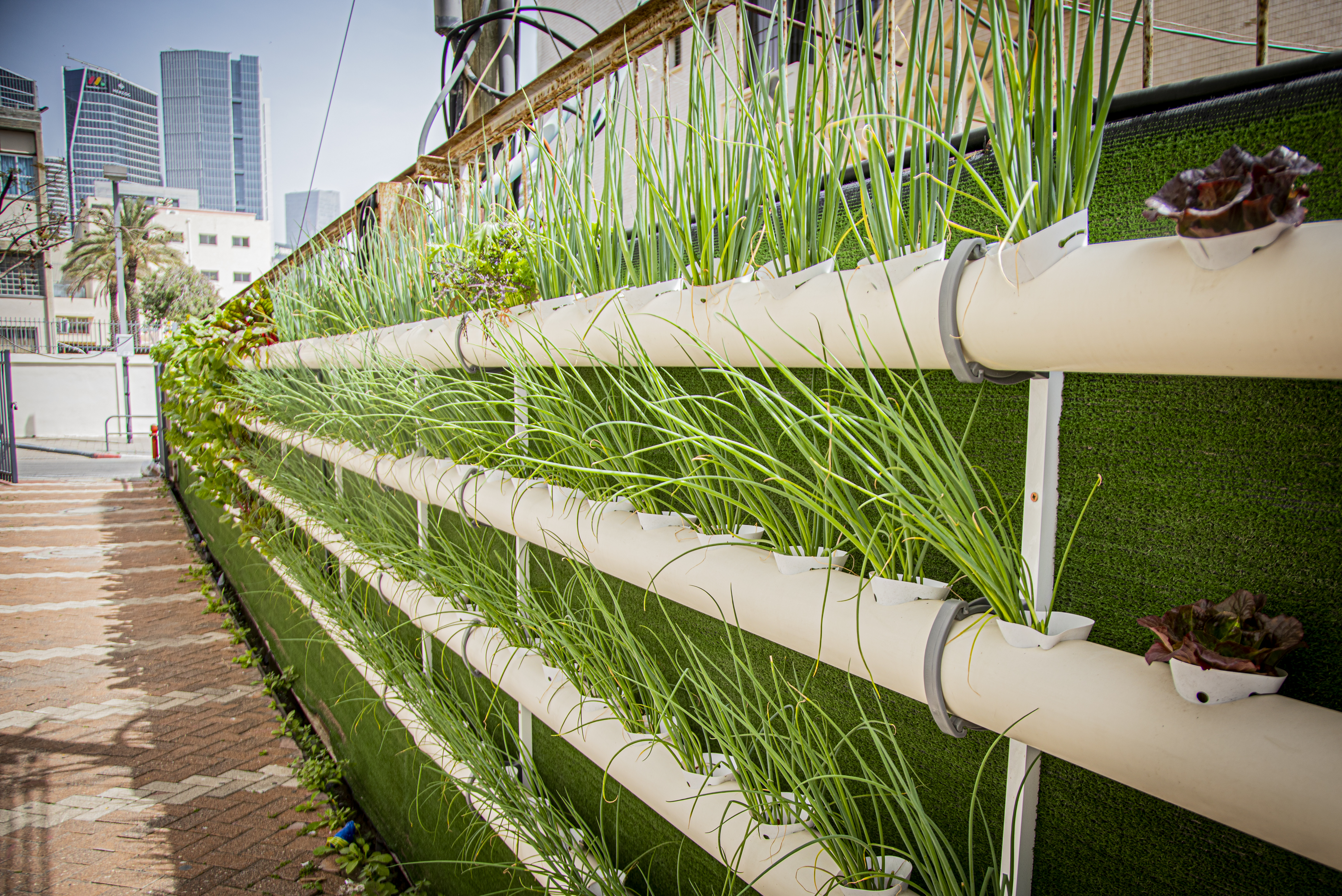
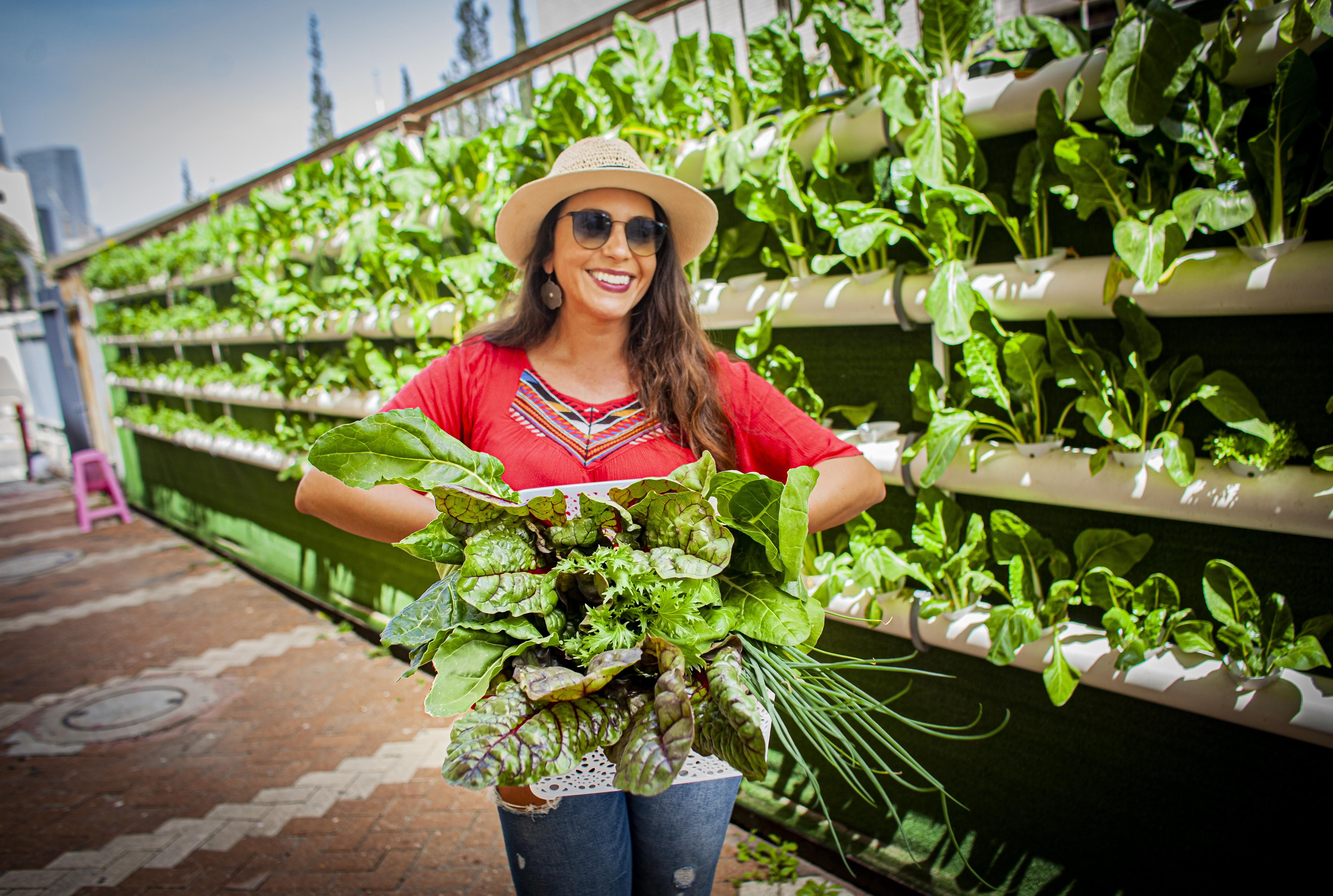
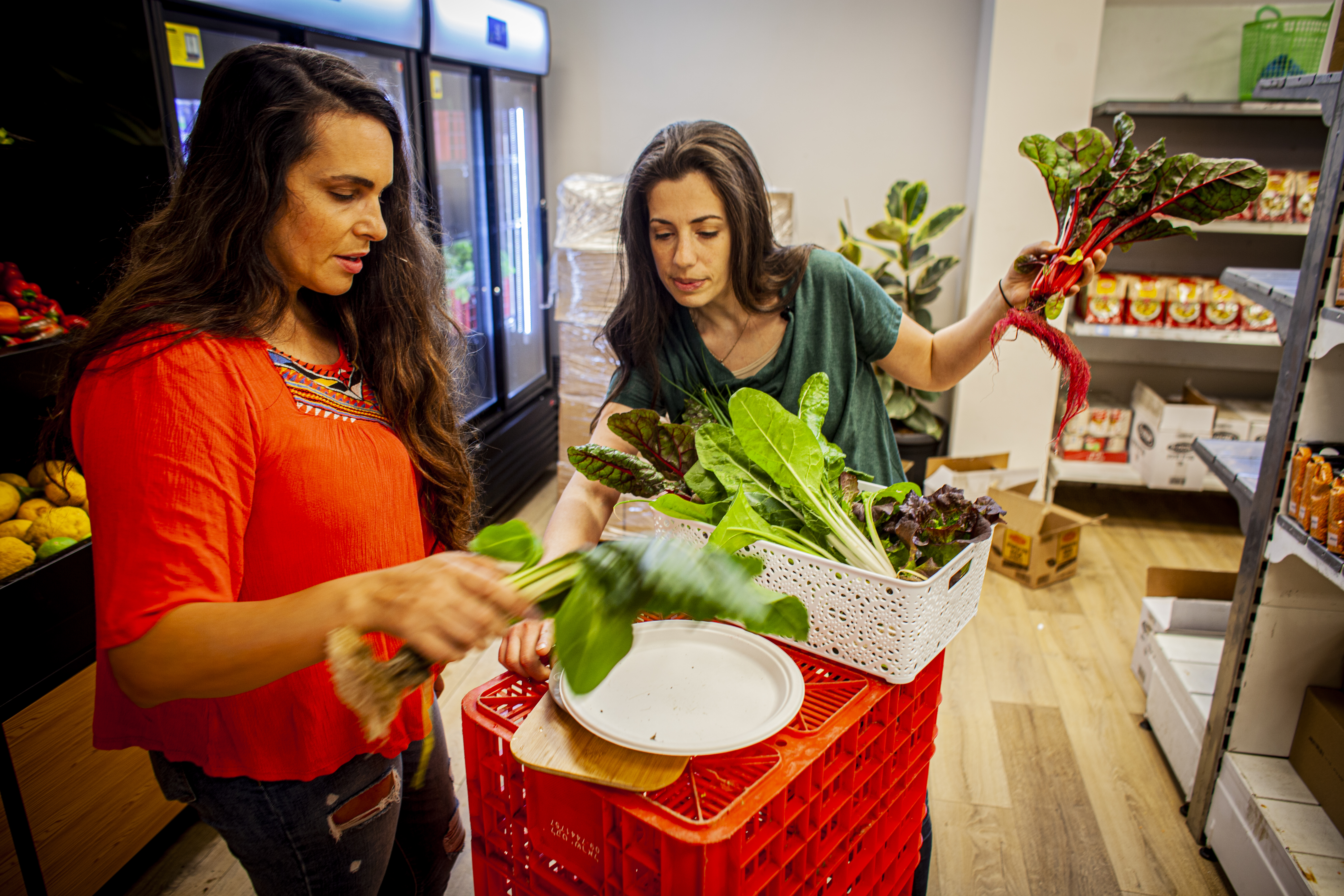
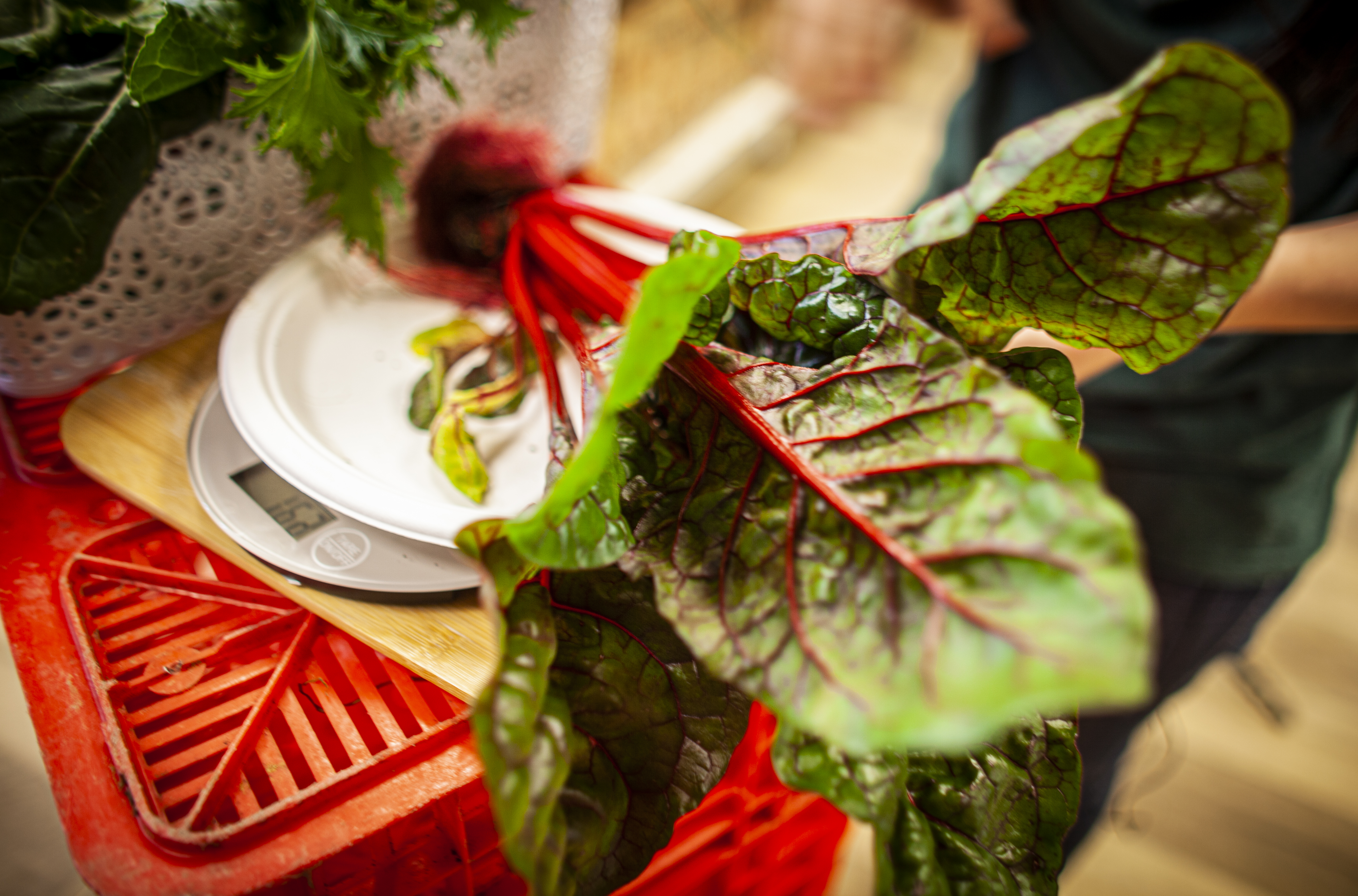
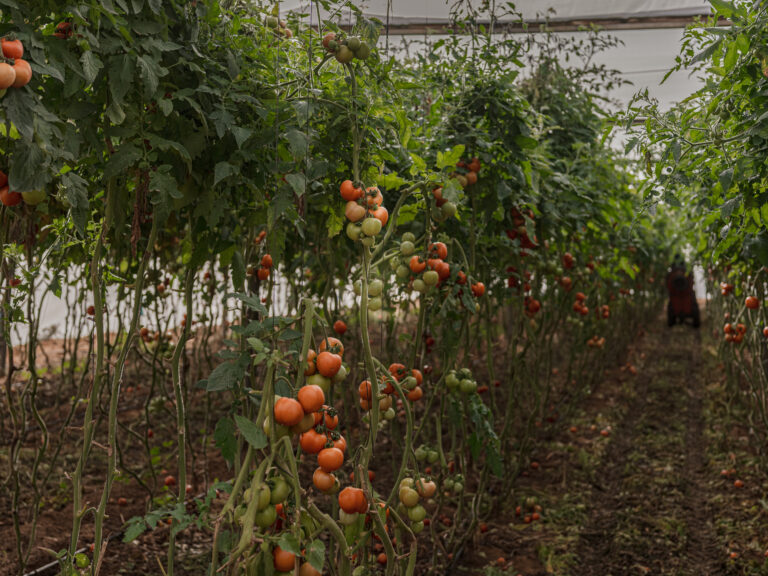
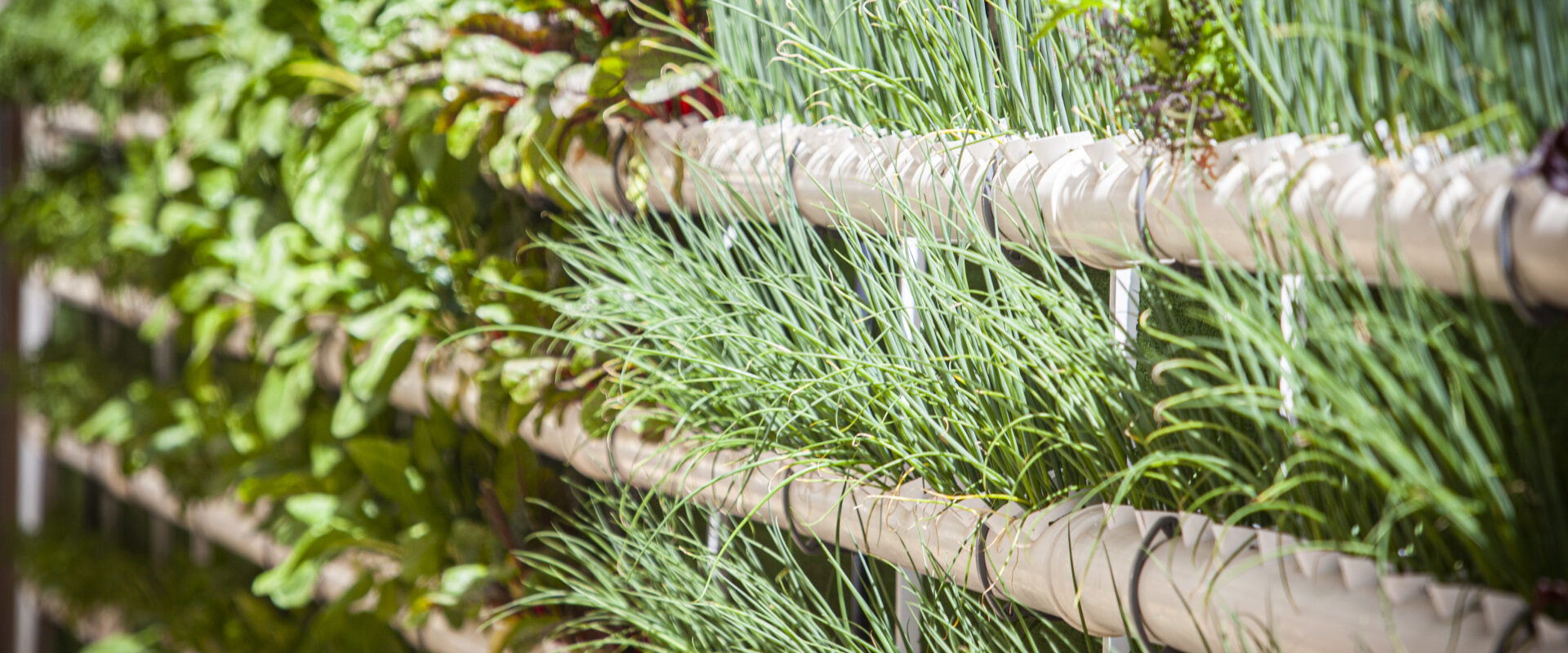
In response, we supported the installation of a LivinGreen hydroponic food production unit at the Mesila Food Bank in Tel Aviv. The project was spearheaded by Growing Peace.
THE MODEL
Our Three Drivers of Change
Every ReGrow project is shaped by — and contributes back to — three core drivers: farm practice, research and innovation, and institutional scale.
The hydroponics for refugees focused on integrating a tangible agricultural innovation, hydroponic production, as an innovative model for fresh produce into a food bank
ReGrow's
Knowledge
Blend
Project Snapshots